##
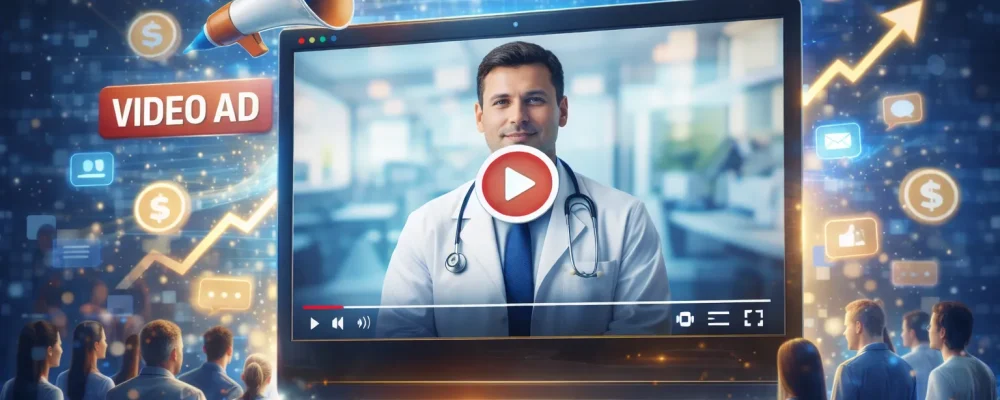
If you’ve ever been told that video ads work better simply because “the algorithm prefers them,” you’ve only been given part of the story. Yes, platforms do prioritize video. Yes, video often delivers cheaper reach and better engagement. And yes, most clinics see lower cost per lead when they switch from image ads to video.
But none of that explains the real reason video ads for medical practices convert at a much higher rate.
The truth is, video works better for doctors because it aligns with how patients actually make decisions. It’s not about technology. It’s about psychology. And once you understand that, everything from lead quality to booking rates starts to make a lot more sense.
Why Image Ads Are Losing Effectiveness for Medical Practices
There was a time when image ads worked well for clinics. A clean graphic, a bold headline, maybe a stock photo of someone smiling or stretching their back. That approach used to be enough to get attention and drive clicks.
Today, it’s not.
Patients are more skeptical, more distracted, and more overwhelmed than they’ve ever been. They scroll faster, ignore generic messaging, and hesitate the moment something feels overly polished or sales-driven. In healthcare especially, anything that looks like traditional marketing is often dismissed without a second thought.
The biggest issue with image ads is that they don’t provide enough information for a patient to feel confident. And confidence is what drives action in medical marketing.
Healthcare Decisions Require Trust Before Action
Unlike retail or ecommerce, healthcare decisions are emotional and personal. Patients aren’t buying a product. They’re choosing who to trust with their health, their pain, their energy, or their long-term quality of life.
A static image simply can’t communicate trust. It can’t explain nuance, establish credibility, or make someone feel understood. Video can do all of that in seconds.
This is why doctor marketing video ads consistently outperform image ads, even when targeting, budget, and offer are exactly the same.
The Real Reason Video Ads Convert Better
At its core, video converts better because it removes uncertainty. Before a patient books an appointment, they’re running a mental checklist, whether they realize it or not.
They’re asking themselves if the clinic feels legitimate, if the doctor seems competent, if they’ll feel comfortable walking through the door, and if this provider truly understands their situation. Video answers those questions immediately.
When patients can see you, hear you, and watch you explain something clearly, you stop being a stranger. That familiarity dramatically lowers resistance and shortens the decision-making process.
This is the foundation of a strong medical video advertising strategy.
Familiarity Is One of the Strongest Conversion Triggers
People trust what feels familiar. When someone watches your video ad, they’re getting a preview of what it would be like to interact with your clinic. By the time they click or submit their information, they already feel a sense of comfort and recognition.
That’s why patients who come in through video ads often show up more confident, more engaged, and more prepared for the consultation. They don’t feel like they’re taking a blind risk.
Why Video Ads Lower Cost Per Lead for Doctors
Lower cost per lead isn’t magic. It’s a byproduct of stronger engagement and higher relevance. Platforms reward content that holds attention, and video naturally does that better than images.
When someone stops scrolling and watches your video, even for a short period of time, platforms interpret that as valuable content. That leads to better delivery, lower CPMs, and more efficient spend.
However, it’s important to understand that the platform isn’t the hero here. The message is.
Video Gives You Time to Communicate Value
Video forces a pause in a crowded feed. Instead of a split-second glance, you earn ten, twenty, or even thirty seconds of attention. That time allows you to acknowledge a patient’s frustration, explain a problem in simple terms, and position your clinic as a logical next step.
Image ads don’t get that opportunity. They rely on instant impact, which is increasingly difficult in today’s environment.
Authority Is Easier to Establish on Video
Authority is one of the most important conversion drivers in medical marketing. Patients want to feel like they’re choosing someone who knows what they’re doing, not someone who’s just good at advertising.
Video allows you to demonstrate authority without having to claim it. Your tone, clarity, and confidence communicate expertise far more effectively than a badge, credential, or headline ever could.
This is one of the main reasons video ads for medical practices attract higher-quality leads, not just more leads.
Free Strategy Call
Ready to grow your practice?
No commitment. 30 minutes. A clear plan for your growth.
Video Naturally Filters Your Audience
Another often-overlooked benefit of video is that it filters. People who resonate with your message stay engaged, while those who don’t quietly move on. That self-selection process reduces price shoppers and increases alignment.
When patients already understand your approach and feel connected to it, consultations become smoother and outcomes improve across the board.
Why Blaming the Algorithm Misses the Point
Many agencies lean on the algorithm as an explanation for performance. While platforms do favor video, that alone won’t save poor messaging. If your video doesn’t build trust, connect emotionally, or clearly communicate value, it won’t convert no matter how much reach it gets.
Video is just the delivery system. The real driver of performance is the message itself.
Message Always Beats Medium
High-performing doctor marketing video ads focus on problems, frustrations, and outcomes that patients already recognize. They don’t rely on buzzwords or generic promises. They sound human, relatable, and specific.
When patients feel understood, they engage. When they engage, conversions follow.
What Actually Makes a Medical Video Ad Convert
The best-performing medical video ads tend to share a few key traits. They’re clear instead of clever, authentic instead of overproduced, and focused on one primary issue rather than trying to cover everything.
Most importantly, they speak in a way patients understand.
Clarity Creates Confidence
Patients don’t want hype. They want clarity. Clear explanations reduce anxiety, clear expectations build trust, and clear next steps make it easier to book.
This is why clinics that use video intentionally often see improvements in lead quality, show rates, and overall conversion almost immediately.
Where Video Ads Work Best for Doctors
Video ads aren’t limited to one platform or use case. They work across paid campaigns, websites, landing pages, and retargeting efforts. When used consistently, video reinforces your authority everywhere a patient encounters your brand.
Video Pre-Sells Before the Consultation
One of the most powerful effects of video is what happens after the click. Patients arrive already educated and already trusting your process. That means less time overcoming objections and more time focused on actual care.
Why Most Clinics Still Struggle With Video
The biggest barrier isn’t equipment or technology. It’s mindset. Many doctors worry about looking awkward, saying the wrong thing, or not sounding polished enough.
But polished doesn’t convert. Authentic does.
Patients don’t need perfection. They need reassurance.
Simple Always Outperforms Fancy
Short, clear, confident videos consistently outperform heavily produced ones. The goal isn’t to entertain or impress. The goal is to help patients feel safe choosing you.
How We Use Video Ads at ModFXMedia
At ModFXMedia, we don’t use video because it’s trendy. We use it because it consistently delivers results. Our focus is always on clarity, trust, and conversion, not vanity metrics.
Every video we create is designed to lower resistance, build familiarity, and move patients closer to booking.
Video Is a Long-Term Growth Asset
One of the biggest advantages of video is longevity. A strong video can be used in ads, on your website, in email campaigns, and in retargeting. It continues working long after it’s created, which makes it one of the most efficient investments a clinic can make.
The Clinics Winning Right Now Understand This
The clinics experiencing consistent growth aren’t chasing hacks or trends. They’re building trust and authority at scale. Video allows them to do that faster and more effectively than any other format.
When patients trust you, everything else becomes easier.
Ready to Use Video Ads the Right Way?
If you’re running ads without video, or using video without a clear strategy, you’re likely leaving growth on the table. At ModFXMedia, we help clinics use video intentionally to lower lead costs, improve booking rates, and attract better patients.
If you’re ready to stop guessing and start using video ads that actually convert, click here to set up a consultation and let’s talk through what this could look like for your clinic.
Set up your FREE 30 Min Strategy Call Here.
Justin Ingram
Healthcare Marketing Expert · ModFXMedia
Justin and the ModFXMedia team help medical practices across the US build patient acquisition systems that generate consistent, measurable growth.